
Lower Your Handicap: Mastering Golf Stats Tracking for Improvement
For any golfer, the ultimate goal is often to improve their game and lower their handicap. While practice and lessons are crucial, a less obvious yet equally important tool is the diligent tracking and analysis of your golf statistics. Understanding where you're gaining strokes and where you're losing them is the key to targeted improvement and ultimately, a lower handicap.
Many golfers play round after round without truly understanding the nuances of their performance. They may know their score, but they lack the granular data to identify their strengths and weaknesses. This is where golf stats tracking comes into play. By meticulously recording aspects of each round, from fairways hit to putts made, you gain invaluable insights into your game. This data helps you tailor your practice sessions to address specific areas needing improvement.
This article will guide you through the essentials of golf stats tracking, showing you how to use this powerful tool to your advantage. We'll explore the key stats to track, how to track them efficiently, and how to interpret the data to create a personalized improvement plan. With the right approach, you can transform your game from guesswork to a data-driven journey towards a lower handicap.

Key Golf Statistics to Track
Not all golf stats are created equal. While tracking everything might seem comprehensive, focusing on the most impactful metrics will yield the best results. Here are some key areas to focus on:
- Fairways Hit: This is a fundamental measure of your driving accuracy. Tracking the percentage of fairways you hit helps you assess the consistency of your tee shots.
- Greens in Regulation (GIR): GIR measures your ability to reach the green in the expected number of strokes (one for par 3s, two for par 4s, and three for par 5s). A high GIR indicates strong iron play and approach shots.
- Putts Per Round: Putting is often the most significant factor in scoring. Tracking the total number of putts per round gives you an overview of your putting performance.
- Scrambling Percentage: This statistic reflects your ability to save par when you miss the green in regulation. It highlights your short game skills, including chipping and sand saves.
- Sand Saves: Similar to scrambling, sand saves specifically measure how often you successfully get up and down from a bunker.
Beyond these core stats, consider tracking penalties, the number of drives over 250 yards, and the distances of your putts to gain an even deeper understanding of your game. The more data you collect, the more precise your analysis can be.
How to Efficiently Track Your Golf Stats
Tracking golf stats can seem daunting at first, but with the right tools and approach, it can become a seamless part of your game. There are several methods you can use, each with its own advantages:
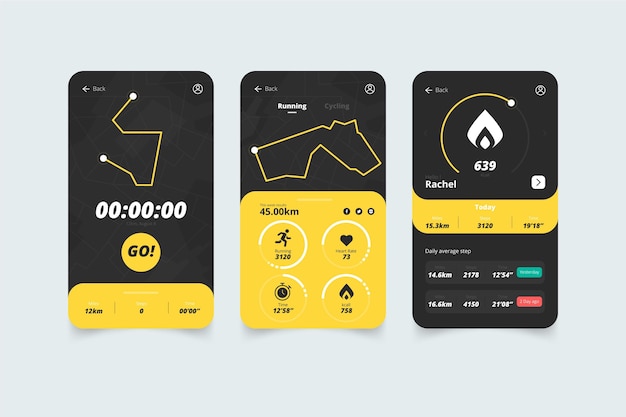
- Golf Stat Tracking Apps: Apps like Go Live Golf provide a user-friendly interface for recording stats on your smartphone or tablet during your round. These apps often offer features like automatic data analysis and personalized insights.
- Spreadsheets: Creating your own spreadsheet allows for complete customization and control over the data you track. While it requires more manual effort, it can be a great option for those who prefer a hands-on approach.
- Notebooks: For those who prefer a more traditional method, a simple notebook and pen can be effective. Just be sure to be diligent about recording your stats accurately after each hole.
Consistency is key when it comes to stats tracking. Choose a method that works best for you and stick with it. Make it a habit to record your stats immediately after each hole to ensure accuracy. The more consistent you are, the more valuable your data will become.
Interpreting Your Golf Stats and Creating an Improvement Plan
Once you've accumulated enough data, the real work begins: interpreting your stats and creating a personalized improvement plan. Look for patterns and trends in your data to identify your strengths and weaknesses.
For example, if you consistently struggle with GIR, you may need to focus on improving your iron play. If your putts per round are high, consider spending more time on the putting green. If your scrambling percentage is low, work on your short game, particularly chipping and sand saves.
Once you've identified your areas for improvement, create a targeted practice plan. Focus on drills and exercises that address your specific weaknesses. Track your progress over time to see if your practice is paying off. Adjust your plan as needed to ensure you're making steady progress.
Remember that improvement takes time and effort. Don't get discouraged if you don't see results immediately. Stay consistent with your stats tracking and practice plan, and you'll eventually see your handicap start to drop.
Ready to Lower Your Handicap?
Start tracking your golf stats today with Go Live Golf! Get comprehensive insights and personalized recommendations to improve your game.
Start Free TodayTracking your golf stats is a powerful tool that can significantly improve your game and help you lower your handicap. By focusing on the key stats, tracking them efficiently, and interpreting the data to create a personalized improvement plan, you can transform your game from guesswork to a data-driven journey towards success. So, grab your phone, notebook, or favorite app, and start tracking your stats today. Your lower handicap awaits!
Remember to regularly review your progress and adjust your plan as needed. Golf is a game of constant learning and refinement, and by leveraging the power of stats tracking, you can unlock your full potential and achieve your golfing goals. Consistent effort and a data-driven approach are the keys to long-term improvement on the course.
Alvin Lou is a key figure behind Go Live Golf, a leading golf stats tracking app with a growing user base and a perfect app rating. His expertise has helped to create a comprehensive platform used by thousands to monitor, analyze, and improve their game, as well as a professional network for golf pros to connect with and coach golfers.