
Level Up Your Game: Expert Golf Pro Tips for Lower Scores
Are you tired of consistently shooting over par? Do you dream of breaking 80, or even 70? Golf, a game of precision, strategy, and mental fortitude, can be incredibly rewarding, but also intensely frustrating. The difference between a good round and a bad one often comes down to subtle adjustments and a deeper understanding of the game.
This article dives into essential golf pro tips designed to help you lower your scores. We'll explore techniques that address key areas of your game, from the tee box to the green, providing you with actionable advice you can implement immediately. Whether you're a seasoned golfer looking to shave off a few strokes or a beginner aiming to build a solid foundation, these insights will guide you toward improved performance and greater enjoyment on the course.
Lowering your golf score is about more than just hitting the ball harder. It's about playing smarter, managing your risks, and honing your skills with intention. Prepare to fine-tune your approach, refine your technique, and ultimately, transform your game. Let's get started!


Mastering the Fundamentals: Grip, Stance, and Posture
Before delving into advanced techniques, it's crucial to ensure your fundamentals are solid. A proper grip, stance, and posture form the bedrock of a consistent and powerful swing. These are things you can practice anywhere.
Your grip should be relaxed yet firm, allowing you to maintain control without restricting your wrist movement. Experiment with different grip styles (overlap, interlock, ten-finger) to find what feels most comfortable and allows you to square the clubface at impact. Consistent practice with the correct grip will translate into more accurate shots.
A balanced stance is equally important. Position your feet shoulder-width apart, with your weight evenly distributed. Your knees should be slightly flexed, and your spine should be tilted forward from the hips, maintaining a straight back. A stable stance allows you to rotate freely and generate power efficiently. Address the ball in the same way every time.
Strategic Course Management: Playing Smarter, Not Harder
Golf isn't just about brute strength; it's a game of strategy. Effective course management can significantly lower your scores, even if your swing isn't perfect. Analyze each hole before you play, considering the hazards, wind conditions, and your own strengths and weaknesses. This is best accomplished when walking the course.
Choose the right club for the situation, prioritizing accuracy over distance. Don't always reach for your driver if a fairway wood or long iron offers a better chance of hitting the fairway. A well-placed shot in the fairway is often more advantageous than a longer shot from the rough or trees. Play percentage golf. Playing smarter leads to playing more consistent golf.
Risk assessment is key. Avoid high-risk shots that could lead to big numbers. If you're facing a difficult shot with a water hazard nearby, it's often better to lay up and play for par rather than attempting a heroic shot that could result in a double bogey or worse. Keep your scorecard in mind as you approach each shot.
Short Game Mastery: Chipping, Pitching, and Putting
The short game is where you can truly separate yourself from the pack. Developing a solid short game can save you strokes around the green and turn bogeys into pars, and pars into birdies. Dedicate significant practice time to chipping, pitching, and putting.
Chipping involves low, running shots that stay close to the ground. Focus on using a simple, pendulum-like swing with minimal wrist action. Choose the right club based on the distance to the green and the amount of roll you need. Practice various chip shots from different lies to become comfortable in any situation.
Pitching involves higher, softer shots that land with more backspin. Use a slightly longer swing than chipping, with more wrist hinge. Control your distance by varying the length of your backswing. Aim to land the ball on your desired spot and let it stop quickly. Spend time on the practice green to refine your distance control and accuracy.
Putting is arguably the most important part of the short game. Develop a consistent putting stroke, focusing on a smooth, pendulum motion and a square clubface at impact. Practice reading greens and judging distance. Consider using a putting aid to improve your alignment and stroke consistency. Remember that a consistent putting routine can work wonders.
Mental Game: Staying Focused and Positive
Golf is as much a mental game as it is a physical one. Staying focused, managing your emotions, and maintaining a positive attitude are crucial for consistent performance. Cultivate mental toughness by developing pre-shot routines, visualizing success, and learning to bounce back from mistakes.
Pre-shot routines help you focus your mind and prepare for each shot. This routine might include visualizing the shot, taking a few practice swings, and aligning your body and clubface to the target. Sticking to your pre-shot routine can help you stay calm and confident, even under pressure.
Visualization is a powerful tool for improving your mental game. Before each shot, visualize the ball flying towards your target, landing softly, and rolling into the hole. Positive visualization can boost your confidence and help you execute your shots more effectively. Use your imagination to your advantage. It's a powerful tool that can help you get better.
Mistakes are inevitable in golf. Learn to accept them, analyze what went wrong, and move on. Don't dwell on bad shots or let them affect your subsequent performance. Maintain a positive attitude and focus on the next shot. Resilience is a key attribute of successful golfers.
Ready to Track Your Progress?
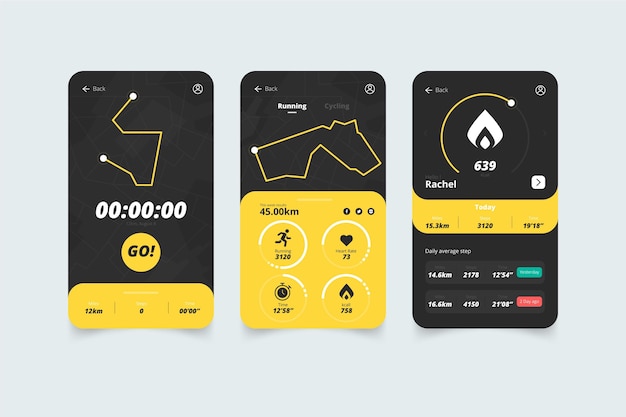
Start using the best golf app for keeping stats and see your scores drop. Go Live Golf provides comprehensive tools to monitor and improve your game.
Track Your Stats Now!